
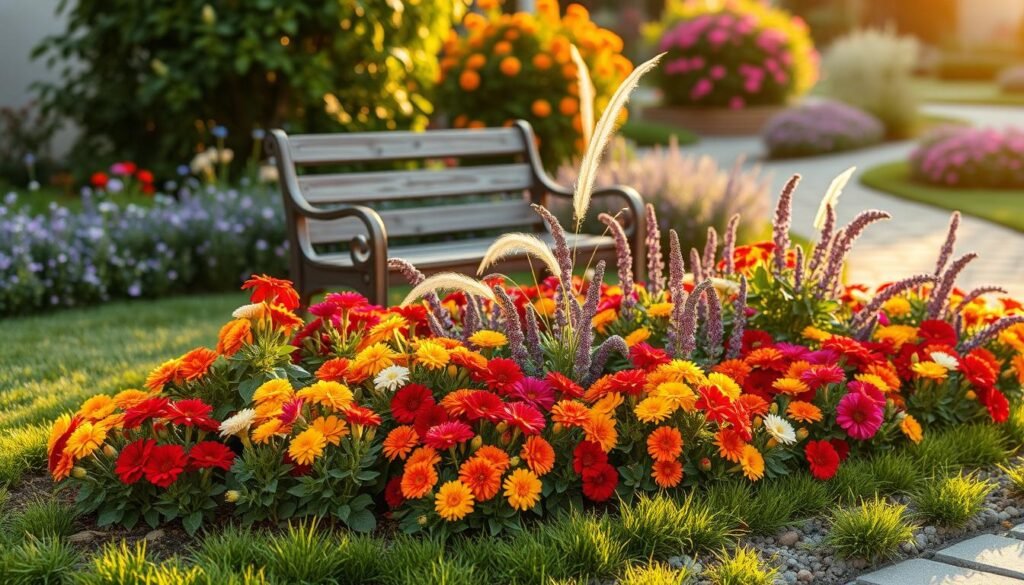
Your outdoor space should be bright and full of life. A well-designed garden can turn a simple yard into a beautiful showcase of your style. It takes both creativity and practical skills to make it happen.
In Houston, TX 77058, getting help from landscaping experts is key. Heaven On Earth Landscaping Inc. at 1350 E NASA Pkwy STE 214 K has years of experience. They create gardens that work well and look great, even in Houston’s weather.
This guide will share important design ideas for stunning gardens. You’ll learn about landscape design, choosing plants, and how to keep them looking good. Whether you’re doing it yourself or need landscape services, we’ve got you covered. Call us at 281-286-7335 to see how we can make your garden a beautiful place.
Understanding Flower Beds in Landscape Design
Flower beds are key in landscape design, adding beauty and function to your outdoor space. They help create a space that reflects your style and is practical. By seeing flower beds as more than decorations, your property can change dramatically.
Flower beds do more than add color. They give structure, highlight areas, and guide movement. Landscape designers know that mixing beauty with practical needs is essential. This includes thinking about upkeep and local growing conditions.
Our work in Pasadena shows how flower beds can transform yards. The Houston area’s unique climate and soil need special knowledge for gardening.
Why Flower Beds Matter in Your Landscape
Flower beds offer many benefits for your property and community. They define spaces, making it clear where to go in your yard. This helps visitors enjoy your landscape better.
Well-maintained flower beds can increase your property’s value. Homes with good landscaping sell faster and for more money. The beauty of seasonal blooms makes a great first impression.
Flower beds also help pollinators like bees and butterflies. These creatures are vital for our ecosystem and food. By supporting them, you show care for the environment and add life to your garden.
Seasonal interest is another benefit of flower beds. By choosing plants that bloom at different times, your garden stays interesting all year. Spring bulbs lead to summer flowers, then fall blooms, so your garden never looks empty.
Flower beds also draw the eye, making certain areas stand out. They can highlight buildings, frame entrances, or soften hard surfaces. This makes your landscape more engaging and memorable.
Essential Components of Successful Flower Bed Design
Every successful flower bed follows key design principles. Choosing the right spot is the first step. You need to consider sunlight, drainage, and access to utilities for healthy plants.
When picking plants, think about more than looks. Look at bloom times, plant sizes, and how easy they are to care for. Choosing the right plants for your conditions is key to a thriving garden.
Color coordination is important for flower beds. You can use similar colors or bold contrasts. We help you choose colors that match your home and style.
Adding height to your garden makes it more interesting. Use plants of different heights to create depth. This makes your flower beds look good from all angles.
Texture adds depth to your garden. Mix plants with different textures to create a rich look. This makes your garden interesting even when there are no flowers.
While you can do this yourself, professional help can speed up the process. We know how to choose plants for Houston’s climate and how to keep your garden looking great. Our team has the experience to make your flower beds a success.
Professional services can help you find the best spots for your flower beds. We consider drainage, soil, and views to make sure your garden is beautiful and functional. This careful planning ensures your garden will be a lasting beauty.
Choosing the Right Location
Before you start digging, take a step back and look at your property. The right spot for your flower bed can make all the difference. We’ve seen many gardens flourish when placed in the right spot.
Knowing your property’s unique features helps pick the best plants for flower beds. In Houston, TX 77058, our climate is both a blessing and a challenge. The hot summers, occasional floods, and varied soils need careful planning.
Understanding Sun Exposure Patterns
First, observe how sunlight moves across your yard. Most plants need specific light to grow well. Watch the sun at morning, midday, and late afternoon.
Full sun locations get six or more hours of direct sunlight. These are great for sun-loving plants like zinnias and marigolds. In Houston, morning sun with afternoon shade helps plants avoid the heat.
Partial shade areas get three to six hours of sunlight. These spots are perfect for impatiens and begonias. Full shade locations get less than three hours of direct light and need special plants.
Houston’s summer sun can be tough on plants. Every property has its own microclimates. Areas near south-facing walls get hotter, while north-facing spots stay cooler.
Evaluating Soil Quality and Drainage
Soil testing is key to knowing what will grow well. It shows pH levels, nutrient content, and drainage. This info helps choose the right plants and amendments.
Houston’s soil varies a lot. Some areas have heavy clay soil that holds water, while others are sandy and dry out fast. Clay soils need organic matter, while sandy soils need compost.
Drainage is critical for plant health. We test drainage by filling a hole with water and seeing how fast it drains. If water stays, you need to fix drainage with raised beds or soil changes.
Soil pH affects how plants absorb nutrients. Most plants prefer a pH between 6.0 and 7.0. Houston soils often need adjustments to support plant growth.
Planning for Practical Access and Visual Impact
When placing your garden, think about both looks and maintenance. Make sure you can easily reach your beds for care. Beds over four feet deep are hard to maintain without damaging the soil.
Place your beds where you can see them from your favorite spots. This way, you’ll enjoy your garden from inside and outside. This thoughtful planning makes your garden a joy every day.
Make paths between beds wide enough for tools. This makes maintenance easier. Being close to water sources also helps with watering, which is important in Houston’s dry summers.
Heaven On Earth Landscaping Inc. offers detailed site evaluations in Houston. We check sunlight, soil, and drainage to find the best spots for flower beds. We consider your lifestyle and design goals to create beautiful gardens. Call us at 281-286-7335 or visit our contact page at https://heavenonearthlandscaping.com/contact-us/ to schedule your consultation today.
Selecting the Perfect Plants
Creating a lively flower bed starts with picking the right plants. It’s important to choose plants that go well together and fit your local climate. By considering climate, upkeep, and beauty, you can make perennial flower beds that look great all year.
Choosing the right plants is key to a successful garden. You should think about how much water they need and how they handle heat. Houston’s weather is special and affects which plants will do well in your garden.
Perennial vs. Annual Flowers
Knowing the difference between perennials and annuals helps you plan better. Perennials come back every year and need less care. They’re a smart choice because they save you money and effort.
Annuals live for just one season but add lots of color. Mixing both types in your garden keeps it interesting all year.
In Houston’s Zone 9a, some great perennials include:
- Lantana – Drought-tolerant with clusters of vibrant blooms
- Salvia – Multiple varieties with blues, reds, and purples
- Coneflowers (Echinacea) – Sturdy plants that attract pollinators
- Daylilies – Low-maintenance with abundant summer blooms
- Ornamental grasses – Add movement and texture year-round
For hot summers, Houston loves heat-tolerant annuals. Zinnias brighten up sunny spots, while pentas attract butterflies. Vinca is great for tough spots because it handles heat and some drought.
Marigolds keep pests away and look cheerful. Begonias do well in shade, where others struggle. Our team at Heaven On Earth Landscaping Inc. picks plants that look good and are easy to care for.
Color Schemes and Themes
Color theory helps make your garden look amazing. Complementary color schemes mix opposites, like purple salvia with yellow coreopsis. This creates a lively contrast.
Analogous schemes use colors next to each other, like blues and purples. They make your garden feel calm and natural. Monochromatic designs use different shades of one color for a sophisticated look.
Polychromatic schemes mix many colors for a cozy feel. This is perfect for a casual, full garden. Think about how your colors will match your house and yard.
Professional residential landscape design plans for color changes with the seasons. Spring colors can turn to summer brights, then autumn warm tones. This keeps your garden looking great all year.
Height and Texture Variation
Layering plants adds depth and makes sure each one is seen. Tall plants go at the back or in the center. They are the main part of your garden.
Medium plants fill the middle layer. They connect tall plants with shorter ones. This makes your garden look smooth and balanced.
Short plants are perfect for borders or the front. They frame taller plants and keep the garden balanced. Ground covers here also stop weeds.
Texture adds interest beyond color. Fine textures like ornamental grasses are light and airy. Medium textures from most flowers are standard. Bold textures from plants like cannas or hostas grab attention.
Using different textures keeps your garden interesting, even with simple colors. A mix of leaf shapes and sizes engages viewers more than just color. Heaven On Earth Landscaping Inc. creates custom plans for Houston’s climate. They ensure you get the best plants for flower beds for your property.
Designing Your Flower Bed Layout
Before you start planting, it’s key to know about layout principles. A well-thought-out garden layout design brings beauty and lets plants grow well. We think about how each plant will look now and in the future.
How you arrange plants in your beds makes your garden look professional or messy. Good planning turns simple plantings into stunning displays that grab attention all season.
Creating Visual Impact Through Shapes and Patterns
The shape of your flower bed borders sets the garden’s style. Curved borders are natural and fit well in cottage gardens. They feel softer and more welcoming than straight lines.
Geometric shapes like rectangles and squares give a formal look. These are great for traditional gardens with symmetrical buildings.
Designers often use odd numbers when planting. Plants look better in groups of three, five, or seven. This avoids a too-perfect look that even numbers can create.
Planting the same plants together makes a stronger statement. Five plants together form a solid block of color and texture. But scattering them looks messy and lacks impact.
For DIY gardens, draw your layout on graph paper first. This helps you see how plants will group and avoid buying too many different types.
Repeating certain plant groupings ties your garden together. If you have three purple coneflowers at the front, put more at the back. This creates a cohesive look.
Here are some common bed shapes:
- Island beds: Seen from all sides, need taller plants in the middle
- Border beds: Seen from one or two sides, tallest plants at the back
- Raised beds: Elevated for better drainage and clear edges
Our team at Heaven On Earth Landscaping creates custom designs for homes. We know how shapes and patterns change the look of gardens in Houston.
Proper Plant Spacing for Healthy Growth
Plant based on their mature size, not their pot size. A small perennial can grow wide. Proper spacing stops disease, ensures air flow, and prevents competition for food.
Here are some basic spacing rules:
- Small plants (8-12 inches mature width): Space 6-12 inches apart
- Medium plants (12-24 inches mature width): Space 12-18 inches apart
- Large plants (24+ inches mature width): Space 18-36+ inches apart
These are just starting points. Always check the specific needs of your plants, as some spread more than others.
Don’t overcrowd your new bed. Plants will fill in quickly in their first year. Overcrowding leads to maintenance problems later.
Use garden design software or apps to plan spacing. These tools let you try different layouts without digging. Many include plant databases with size info.
Heaven On Earth Landscaping Inc. offers design services in Houston, TX 77058. We create detailed plans with the right spacing. Call us at 281-286-7335 for expert advice on your garden project.
Soil Preparation for Optimal Growth
Flower beds need more than just pretty plants. They need a solid base built from good soil. The quality of your soil affects drainage, nutrient availability, root growth, and plant health. Without proper soil prep, even the best plants will struggle.
Soil preparation is key before planting. It decides if your flower beds will grow well year after year or need constant care. The effort you put in now saves you from future problems.
Understanding What Lies Beneath Your Garden
Soil testing shows what your garden needs before planting. It tells you about pH levels, nutrient content, organic matter, and soil texture. Most plants like slightly acidic to neutral soil, with pH levels between 6.0 and 7.0.
Houston’s soil can be tough for gardeners. It often has heavy clay, poor drainage, alkaline pH, and low organic matter. These conditions can harm plant roots and stop nutrient absorption.
To get accurate soil samples, take them from different spots in your garden area. Dig 6 to 8 inches deep and mix several samples together. You can use basic kits from garden centers or get detailed analysis from Texas A&M AgriLife Extension.
Professional landscape services include soil testing as part of site assessments. Heaven On Earth Landscaping Inc. does thorough soil analysis in Houston, TX 77058. We help you start with the right information, not guesses.
Improving Soil Through Strategic Amendments
After testing, targeted amendments can change your soil into a great garden base. The right mix addresses specific issues and improves soil structure. Each amendment has its own role in creating the best growing conditions.
Common amendments work together for long-term flower bed success:
- Compost: Adds organic matter, improves structure, provides nutrients, and boosts beneficial microbes
- Aged manure: Offers concentrated nutrients and organic matter that breaks down slowly
- Peat moss or coconut coir: Helps sandy soils hold moisture and adds organic content
- Expanded shale or perlite: Improves drainage in clay soils by creating air pockets
- Sulfur: Lowers pH in alkaline soils to reach the best range for plants
Preparing soil right means more than just adding amendments. We dig to 12 to 18 inches, removing old plants and mixing in amendments well. This encourages roots to grow down, not spread out.
After adding amendments, let the soil settle for a few days before planting. This lets the materials mix with the soil. Adding starter fertilizer at planting time gives new plants a boost as they grow roots.
Investing in soil prep pays off with healthier plants, less maintenance, better drainage, and more nutrients. DIY gardeners should not skip this step. Planting too soon can lead to poor results and wasted effort.
Heaven On Earth Landscaping Inc. takes care of soil prep and amendments in Houston. We know the local soil and what amendments work best. Our Google Business Profile shows happy customers who see the difference good soil prep makes.
By testing and amending your soil, you create a strong base for stunning flower beds. This work under the surface makes your outdoor spaces beautiful.
Seasonal Considerations for Flower Beds
Houston’s climate is perfect for beautiful flower beds all year. With the right seasonal planning, your garden can always look great. By adjusting your care to fit Houston’s weather, your flower beds will bloom all season.
To keep your garden interesting all year, know Houston’s Zone 9a climate. Our mild winters and hot summers need special care. We have tips to make your flower beds shine all year.
Optimal Planting Strategies for Spring
Spring in Houston starts early, giving gardeners a unique chance. February to March is the best time for cool-season flowers. Plant pansies, snapdragons, and petunias for bright colors before summer.
As April and May warm up, switch to warm-season plants. This is the time for heat-loving perennials and summer prep. Houston’s frost-free mid-March lets you plant earlier than in the north.
Spring is also great for dividing and moving perennials. Doing this before summer’s heat helps them grow better. Don’t forget these spring tasks:
- Get your flower beds ready early when the soil is soft and moist
- Water well after planting to help roots grow strong
- Put down fresh mulch to keep moisture in and weeds out
- Start fertilizing based on what each plant needs
- Plant spring bulbs correctly for Houston’s climate
Essential Care During Summer Months
Houston’s summers are hot and humid, making summer maintenance key. Water deeply in the morning to avoid losing water to evaporation and prevent fungus.
Remove spent flowers to keep plants blooming. Cutting back some perennials in mid-summer can lead to a second wave of blooms in fall.
Choose plants that can handle the heat during summer. Replace fading spring flowers with zinnias, pentas, and vinca. Watch for pests like spider mites and aphids that thrive in the heat.
Here are tips for keeping your garden looking good in summer:
- Water deeply and regularly, giving one to two inches a week
- Update mulch to keep soil cool and moist
- Remove old flowers to keep plants blooming
- Look for signs of heat stress and adjust care as needed
Preparing Beds for Fall and Winter
Fall in Houston is a great time to plant again. October to November is perfect for bulbs and cool-season annuals. Take advantage of Zone 9a’s long growing season.
This is the best time to divide and move perennials. Plant pansies, ornamental kale, and snapdragons for winter color. Houston’s mild winters let these plants thrive when others are dormant.
Preparing for fall sets you up for next year’s garden. Remove old plants and add compost to enrich the soil. Many perennials stay green or semi-green, adding interest all winter.
Winter in Houston is different from colder places. It’s not as cold, so you can plant cold-hardy plants. Use this time to plan for spring and improve your garden.
Heaven On Earth Landscaping Inc. offers services tailored for Houston’s climate. Our team knows how to keep your garden looking great all year. Follow us on Instagram for garden inspiration.
Incorporating Hardscape Elements
Adding pathways, borders, and decorative features is key to a professional flower bed design. These elements give structure, define areas, and add beauty. They turn gardens into beautiful outdoor spaces that work all year.
Hardscape features are more than just pretty. They help with maintenance, stop erosion, and make zones clear. The right mix of these elements makes your outdoor space beautiful and easy to care for.
Pathways and Edging Materials
Professional-looking borders do a lot in landscape design. They make clean lines and keep areas separate. They also stop grass from getting into your beds and keep mulch in place.
Good edging makes your landscape look planned and neat. Choose materials that match your home and landscape.
- Brick edging: Classic and durable, great for traditional designs
- Natural stone: Looks organic and lasts long, but costs more
- Metal edging: Sleek and modern, lasts a long time
- Plastic or rubber edging: Cheap and flexible, but not as long-lasting
- Landscape timber: Adds a rustic touch, needs regular upkeep
Pathways connect your garden and make maintenance easier. We use materials like flagstone and gravel that match your landscape. Paths should be wide enough for walking and cart access.
Our residential landscape projects show how pathways improve both looks and function. Choose materials that are safe and fit with your plants and features.
Decorative Elements and Features
Raised beds made of stone, brick, or timber are great for tough spots. They improve drainage, warm the soil, and are easy to reach. The walls add interest and create different planting levels.
Decorative features add personality and focus to your flower beds. Things like sculptures and birdbaths draw the eye and create focal points. Place them thoughtfully to avoid a random look.
Here are some decorative elements to consider:
- Trellises and arbors: Add height and support climbing plants
- Garden benches: Create cozy spots to enjoy your garden
- Water features: Add soothing sounds and movement
- Lighting fixtures: Make your garden beautiful at night
The secret to good hardscape design is balance. Structural elements should enhance your plants, not overshadow them. We pick materials and styles that match your home and landscape vision.
At Heaven On Earth Landscaping Inc., we blend hardscape and flower beds in Houston, TX 77058. Our landscapes are beautiful and easy to care for. We know how to choose materials that work well in our climate.
Check out our YouTube channel at youtube.com/@heavenonearthlandscaping1406 for our projects. They show how structural elements can make your garden look amazing.
Maintenance Tips for Flourishing Flower Beds
Keeping your flower beds looking great is more than just planting. Regular care is key to keeping your garden healthy and vibrant. By following a routine, your plants will stay in top shape all season long.
Understanding what your plants need is the first step. Houston’s climate can be tough, so you need to care for your plants wisely. With the right maintenance, your flower beds will thrive all year.
Watering Best Practices
Watering is the most critical maintenance task for your flower beds, thanks to Houston’s unpredictable weather. It’s better to water deeply but less often. This helps plants grow strong roots that reach deeper into the soil.
Your flower beds need about one to one-and-a-half inches of water each week. This includes rain. In hot weather, you might need to water more. Watering in the early morning is best to avoid disease and save water.
Here are some tips for watering your plants:
- Use soaker hoses or drip irrigation to water roots directly
- Apply mulch to keep moisture in and water less often
- Adjust your watering schedule based on weather and season
- Check soil moisture instead of following a set schedule
- Water new plants more often until they establish strong roots
Clay soils in Houston need less but deeper watering. Sandy or amended soils drain faster and may need more water. Watch for signs of stress like wilting or yellow leaves.
Overwatering can be just as bad as underwatering, causing root rot and diseases. If leaves turn yellow and the soil is wet, cut back on watering. Mature plants need less water than new ones.
Pruning and Deadheading Methods
Pruning and deadheading keep your flower beds looking neat and encourage more blooms. Deadheading, or removing spent flowers, tells plants to keep blooming. This simple step can make a big difference in your garden’s look.
Here’s how to deadhead effectively:
- Remove flowers just above the next leaf node or developing bud
- Deadhead regularly to keep flowers coming
- Use clean, sharp tools to prevent disease
- Focus on plants that benefit most, like roses and coneflowers
- Leave seedheads on grasses and plants for winter interest
Pruning is important for plant health and looks. Cut back perennials after they bloom to encourage a second show. Remove any damaged or diseased leaves to stop problems from spreading.
Divide perennials every three to four years to keep them healthy and blooming. This also gives you new plants to share or expand your garden. The best time to divide varies by plant type.
Some plants need cutting back in fall, while others should wait until spring. Learn what your plants need for the best results. Pruning also helps control plant size and keeps your garden looking balanced.
While DIY gardeners can handle these tasks, busy homeowners might find it hard. We know your schedule is tight, even if you want a beautiful garden.
Heaven On Earth Landscaping Inc. offers professional maintenance services for those who want beautiful flower beds but don’t have the time. Our team takes care of everything, from watering to pruning. Call us at 281-286-7335 to learn about our maintenance programs that keep your garden looking great all year.
Using Mulch for Flower Beds
Mulch is key to making flower beds look great and stay healthy. It does more than just look good. It keeps plants safe, saves water, and helps them grow well all year.
Knowing how to mulch right is important. It cuts down on upkeep and makes plants grow better.
Why Mulching Makes All the Difference
Moisture retention is a big plus of mulch, which is great in Houston’s hot summers. It keeps the soil moist, so you don’t have to water as much. This helps plants grow strong and healthy.
Temperature moderation is another benefit. Mulch keeps the soil cool in summer and warm in winter. This helps plants grow without stress.
Weed suppression saves a lot of time. Mulch blocks sunlight, stopping weeds from growing. This means less competition for your plants.
- Soil improvement: Organic mulches add nutrients to the soil as they break down.
- Erosion prevention: Mulch keeps the soil in place during heavy rain.
- Disease prevention: It stops diseases from spreading through the soil.
- Aesthetic enhancement: It gives a neat, professional look.
How you apply mulch is just as important as what you use. Use 2-3 inches around plants. Too much can harm roots, and too little doesn’t help enough.
Don’t put mulch too close to plant stems. Keep it away from the base of plants to avoid rot. Spread it to cover the whole root zone. You’ll need to replace it every year or so.
Selecting the Right Mulch Type
There are many mulch types for different needs. We divide them into organic and inorganic, each with its own benefits for Houston gardens.
Organic mulches improve soil over time while giving the usual benefits:
- Shredded hardwood bark: It’s attractive and lasts long, good for most flower beds.
- Pine bark: It doesn’t compact and looks great in ornamental beds.
- Cedar mulch: It repels insects and lasts longer, but costs more.
- Pine straw: It’s good for acid-loving plants and looks natural.
- Compost: It’s rich in nutrients but needs more frequent use.
Inorganic mulches last forever but don’t add nutrients to the soil. They’re best for specific designs:
- River rock or gravel: It’s great for xeriscape and modern designs because it drains well.
- Rubber mulch: It lasts a long time but might not fit all garden styles.
- Landscape fabric: It’s mainly for weed control, covered with mulch for looks.
We suggest organic mulches for most Houston gardens. They improve soil over time. Avoid dyed mulches that might harm plants or soil life.
At Heaven On Earth Landscaping Inc., we offer top-notch mulching services. Our team uses the best materials for Houston’s weather. Check our Facebook for before-and-after photos of our work.
Choosing the right mulch depends on your garden style, plants, budget, and how much you want to maintain. We help you pick the best option for your garden.
Attracting Pollinators to Your Flower Bed
Pollinators face big challenges, and your garden can help. By creating pollinator-friendly flower beds, you support bees, butterflies, and hummingbirds. This also makes your outdoor space healthier and more interesting.
Ecological landscaping means understanding plants and the creatures they help. Designing flower beds for pollinators benefits both wildlife and people. You’ll enjoy lower maintenance and feel good about helping the environment.
Supporting Bees and Butterflies Through Plant Selection
Choosing the best plants for flower beds is key. For Houston’s Zone 9a, pick plants that support local wildlife. Native plants are great because they need little care and help pollinators.
For butterflies, consider these great options for Houston gardens:
- Milkweed species – Essential for monarch butterflies as both nectar source and host plant for caterpillars
- Lantana – Heat-tolerant with abundant nectar-rich blooms throughout the growing season
- Zinnias – Colorful annuals that attract numerous butterfly species with flat, accessible flowers
- Pentas – Star-shaped clusters provide easy landing platforms for feeding butterflies
- Salvia varieties – Tubular flowers appeal to both butterflies and hummingbirds
Bee populations benefit from different flower structures. These plants create ideal pollinator gardens for supporting various bee species:
- Salvias – Native varieties like mealy blue sage offer abundant pollen and nectar
- Lavender – Aromatic blooms attract honeybees and native bee species
- Coreopsis – Texas native wildflower with open flower structure perfect for bee access
- Black-eyed Susans – Cone-shaped centers provide excellent pollen collection opportunities
- Gregg’s mistflower – Late-season bloomer when other food sources become scarce
Hummingbirds add movement and color to your landscape. These plants appeal to their feeding preferences:
- Coral honeysuckle – Native vine with tubular red flowers perfectly shaped for hummingbird beaks
- Cardinal flower – Bright red spikes provide concentrated nectar sources
- Turk’s cap – Texas native shrub with unique red flowers that bloom for months
- Flame acanthus – Heat-tolerant perennial with orange-red tubular blooms
Design strategies make your pollinator plantings more effective. Plant in drifts of the same species to help pollinators find food. Use plants with staggered bloom times to support pollinators all year.
Choose flowers with different shapes to attract various pollinators. Tubular flowers are best for hummingbirds and long-tongued bees. Flat, open flowers are better for butterflies and short-tongued bees. This variety makes your garden more resilient.
Building a Thriving Garden Ecosystem
Supporting pollinators means more than just plants. Create a habitat that supports entire ecosystems. Water sources are key for drinking and bathing.
Don’t use pesticides, as they harm pollinators. Instead, use organic pest management to protect wildlife. This approach keeps your garden healthy and safe for pollinators.
Provide shelter with diverse plantings at different heights. This gives nesting sites and protection from weather. Native grasses, groundcovers, and varied plant structures support different species’ needs. Let some areas be a bit wild, with natural leaf litter and debris, as many native bees nest in the ground or hollow stems.
Healthy garden ecosystems include more than just pollinators. Ladybugs, lacewings, and predatory wasps control pests naturally. These beneficial insects thrive when you provide diverse plantings and avoid chemicals.
Leave some flowers to go to seed instead of deadheading. Seeds feed birds and other wildlife, extending your garden’s ecological value. This practice also allows native plants to self-sow, creating naturalized drifts over time.
We at Heaven On Earth Landscaping Inc. value environmentally conscious landscaping. Our team designs pollinator gardens that support local wildlife and create stunning outdoor spaces. We choose native plants adapted to Houston’s climate and use sustainable practices in our projects.
For more insights on native plants and sustainable landscaping tailored to the Houston area, visit our blog. We regularly share practical tips for creating gardens that thrive while supporting the environment around us.
Hiring Professional Landscape Services
Professional landscape services offer knowledge and resources that DIY efforts can’t match. Creating your own garden is rewarding, but professionals ensure your outdoor space reaches its full beauty. Their expertise, efficiency, and support make them a valuable investment for homeowners.
Working with professionals changes the experience of garden landscaping design in Houston. Expert designers know the local conditions and design skills. They deliver installations that thrive for years.
The Value of Expert Assistance
Choosing professional help for your flower bed project has many advantages. Professionals bring specialized knowledge that ensures your project succeeds. They know design principles, plant selection, soil science, and installation techniques for optimal results.
Regional expertise is a big benefit of professional landscaping. Houston’s climate, soil, and growing zone require specific knowledge. Professionals know which plants thrive here, how to handle clay soil, and withstand the heat and humidity.
Professional services save a lot of time and labor. Projects that take homeowners weeks or months are done quickly by trained teams. This means less disruption and faster enjoyment of your new flower beds.
Access to quality materials is another reason to hire professionals. Houston landscaping companies get premium plants, soil amendments, and hardscape materials. These connections mean better value and quality for your project.
Professional services also offer ongoing support from start to finish. This ensures design cohesion, proper installation, and continued care. Many homeowners don’t have time for consistent maintenance.
Professional help is essential for large or complex flower bed installations. They handle challenging site conditions like poor drainage and steep slopes. Professionals deliver effective solutions.
Investing in professional landscaping can save money in the long run. It prevents costly mistakes like choosing the wrong plants or poor design. Professionals get it right the first time, protecting your investment and increasing property value.
Selecting Quality Providers
Choosing the right landscape service requires careful evaluation. Not all Houston landscaping companies offer the same level of expertise or value. Knowing what to look for helps you make informed decisions.
Experience and credentials are key. Look for companies with local experience, impressive portfolios, and deep knowledge of regional conditions. Professional certifications, proper licensing, and insurance protect you and show commitment to industry standards.
- Reputation indicators: Online reviews, client references, Better Business Bureau ratings
- Service range: Design capabilities, installation expertise, maintenance programs, hardscape integration
- Communication quality: Responsiveness, detailed proposals, professional conduct
- Value proposition: Fair pricing, quality materials, warranty offerings
Interview multiple providers before making your decision. Request detailed written proposals that outline scope of work, materials, timelines, and costs. Viewing past projects and speaking with previous clients gives valuable insight.
At Heaven On Earth Landscaping Inc., we offer tailored landscape services for Houston residents. Our team has decades of experience in flower bed design, installation, seasonal planting, soil preparation, and maintenance. We know Houston’s unique growing conditions and which plants perform well here.
We are located at 1350 E NASA Pkwy STE 214 K, Houston, TX 77058. We serve the greater Houston area, providing responsive service and understanding local soil types and landscaping challenges.
Contact us at 281-286-7335 to discuss your landscaping needs. We’ll schedule a consultation, assess your property, and develop customized proposals. You can also reach us through our contact page for online inquiries.
Visit our Google Business Profile to see what our satisfied customers say. Their reviews reflect our commitment to excellence and customer satisfaction. These testimonials show the quality and professionalism we deliver on every project.
Stay connected with us and see our latest projects on social media. Follow us on Facebook, Twitter, YouTube, and Instagram for seasonal tips, design inspiration, and updates. Our social presence showcases the transformations we create for Houston homeowners every day.
Working with Heaven On Earth Landscaping Inc.
At Heaven On Earth Landscaping Inc., we bring decades of Houston landscaping expertise to every flower bed project. Our team understands the unique challenges and opportunities of designing gardens in the Houston area. We’ve helped countless homeowners and businesses transform their outdoor spaces into vibrant, thriving landscapes.
We combine horticultural knowledge with artistic vision to create flower beds that exceed expectations. Our landscape services are tailored to the climate, soil conditions, and aesthetic preferences of Texas Gulf Coast residents. We take pride in delivering results that enhance property value while requiring minimal maintenance.
A Comprehensive Process for Beautiful Results
Our approach to flower bed design follows a proven methodology that ensures successful outcomes for every client. We begin with understanding your vision and end with a stunning garden you’ll enjoy for years. Each step is designed to address specific needs while maintaining open communication throughout the project.
Initial consultation forms the foundation of our collaborative process. We meet with you to discuss your preferences, budget, and how you use your outdoor spaces. During our property visit, we assess site conditions including sun exposure, soil quality, drainage patterns, and existing landscape elements.
We also explore your maintenance expectations and lifestyle factors that influence design choices. This understanding allows us to create flower beds that truly fit your life.
Custom design development transforms your ideas into detailed planting plans. We create layouts that incorporate your preferred colors, styles, and plant types while ensuring compatibility with Houston’s climate. Our designs feature plants suited to USDA Zone 9a and your site’s unique conditions.
We plan for year-round interest with succession of blooms throughout the seasons. Every design balances aesthetic appeal with practical maintenance requirements. Our landscape services include integrating new flower beds seamlessly with existing landscape and architectural features.
Professional installation brings designs to life with attention to detail at every stage. We prepare soil properly through testing and amendments as needed for optimal plant health. Our team sources high-quality plants from reputable suppliers known for vigorous, healthy specimens.
We plant with proper spacing and technique to ensure establishment success. Appropriate edging, mulch, and finishing touches complete the polished look. We install irrigation systems as needed to support long-term plant health and water conservation.
Ongoing support extends beyond installation to help your flower beds thrive season after season. We provide detailed care instructions and maintenance guidance tailored to your specific plantings. Our seasonal maintenance services keep flower beds looking their best throughout the year.
We remain available for questions and follow-up consultations whenever you need us. Our team adapts designs as needed based on performance and your evolving preferences.
As committed Houston landscaping experts, we emphasize sustainable, environmentally conscious practices in all our work. We incorporate native plants that support local ecosystems and require less water. Our designs attract pollinators including bees, butterflies, and hummingbirds.
We offer water conservation strategies and pesticide-free maintenance options. Our deep familiarity with Houston’s seasonal patterns, common soil issues, and best-performing plant varieties enables us to design flower beds that thrive in the Houston climate.
Real Stories from Satisfied Clients
Nothing demonstrates our capabilities better than the success stories of clients we’ve served throughout the Houston area. We’ve completed diverse projects ranging from small residential upgrades to extensive commercial installations. Each project reflects our commitment to quality and client satisfaction.
One front yard transformation in the 77058 area turned a tired lawn into a colorful showcase that neighbors admire daily. The homeowners wanted low-maintenance beauty that would enhance curb appeal. We designed mixed perennial beds with seasonal color rotation that looks stunning year-round with minimal care required.
A backyard garden retreat project created an intimate oasis surrounding a patio area. The clients desired a peaceful space for relaxation and entertaining. Our flower bed design incorporated fragrant blooms, varied textures, and strategic lighting for evening enjoyment.
We’ve transformed neglected side yards into productive pollinator gardens that support local wildlife. These projects demonstrate how Heaven On Earth Landscaping Inc. maximizes every square foot of property. One client reported seeing more butterflies and hummingbirds than ever before after our installation.
Commercial clients appreciate our ability to maintain professional appearances with seasonal flower bed displays. We’ve helped businesses create welcoming entrances that impress customers and clients. Our maintenance programs keep these installations looking fresh without disrupting daily operations.
Client feedback consistently praises several aspects of our landscape services:
- Professionalism and respect throughout every project phase
- Creative design expertise that exceeds expectations
- Quality workmanship that stands the test of time
- Clear communication from initial consultation through completion
- Lasting results that continue looking beautiful season after season
We invite you to read more reviews from Houston-area clients on our Google Business Profile at https://g.co/kgs/ypeMe81. These authentic testimonials showcase the Heaven On Earth Landscaping Inc. difference.
View our portfolio and see transformations firsthand on our social media platforms. Visit our Facebook page at https://www.facebook.com/houstonheavenonearthlandscaping for before-and-after galleries. Follow us on Instagram at https://www.instagram.com/heavenonearthlandscaping/ for seasonal garden tours and design inspiration.
Our YouTube channel at https://www.youtube.com/@heavenonearthlandscaping1406 features client testimonial videos and landscaping tips. These resources provide insight into our process and the quality results we consistently deliver.
Ready to transform your outdoor space with beautiful flower beds? Contact Heaven On Earth Landscaping Inc. today at 281-286-7335 or visit our contact page at https://heavenonearthlandscaping.com/contact-us/ to schedule your free consultation.
Let us bring your flower bed vision to life with professional landscape services tailored to Houston’s unique conditions. Serving the 77058 area and surrounding Houston communities, we’re your local experts in creating outdoor spaces you’ll love for years to come. Your dream garden is just one phone call away.
Final Thoughts on Flower Beds
Creating stunning flower beds turns your outdoor space into a living masterpiece. We’ve shared key principles for success. These include choosing the right site and plants, and how to maintain them.
Your garden can flourish with the right approach. This will make it a beautiful part of your home.
Emerging Directions in Garden Planning
The world of garden design is always changing. In Houston, using plants that fit the local climate is now key. These plants need less water and care, and help local wildlife.
Practices like sustainable gardening are also becoming more popular. They use plants that need less water and smart irrigation systems. This helps the environment and makes gardening easier.
Edible landscaping is another trend. It combines beauty with usefulness. You can grow herbs, veggies, and flowers that are good to eat. This makes your garden both beautiful and useful.
Therapeutic gardens offer a peaceful place to relax. They help improve your well-being. Smart irrigation systems use weather data to water plants just right. This makes gardening more efficient and eco-friendly.
Are you ready to create your dream flower beds? Heaven On Earth Landscaping Inc. has the expertise you need. We focus on what works best in Houston and aim for quality.
We help homeowners create beautiful outdoor spaces. These spaces bring joy all year round.
Contact us today at 281-286-7335 or visit our website at https://heavenonearthlandscaping.com/contact-us/. Stop by our location at 1350 E NASA Pkwy STE 214 K, Houston, TX 77058. Check out our blog at https://heavenonearthlandscaping.com/blog/ and follow us on Facebook, Twitter, YouTube, and Instagram. Let’s bring your dream garden to life.